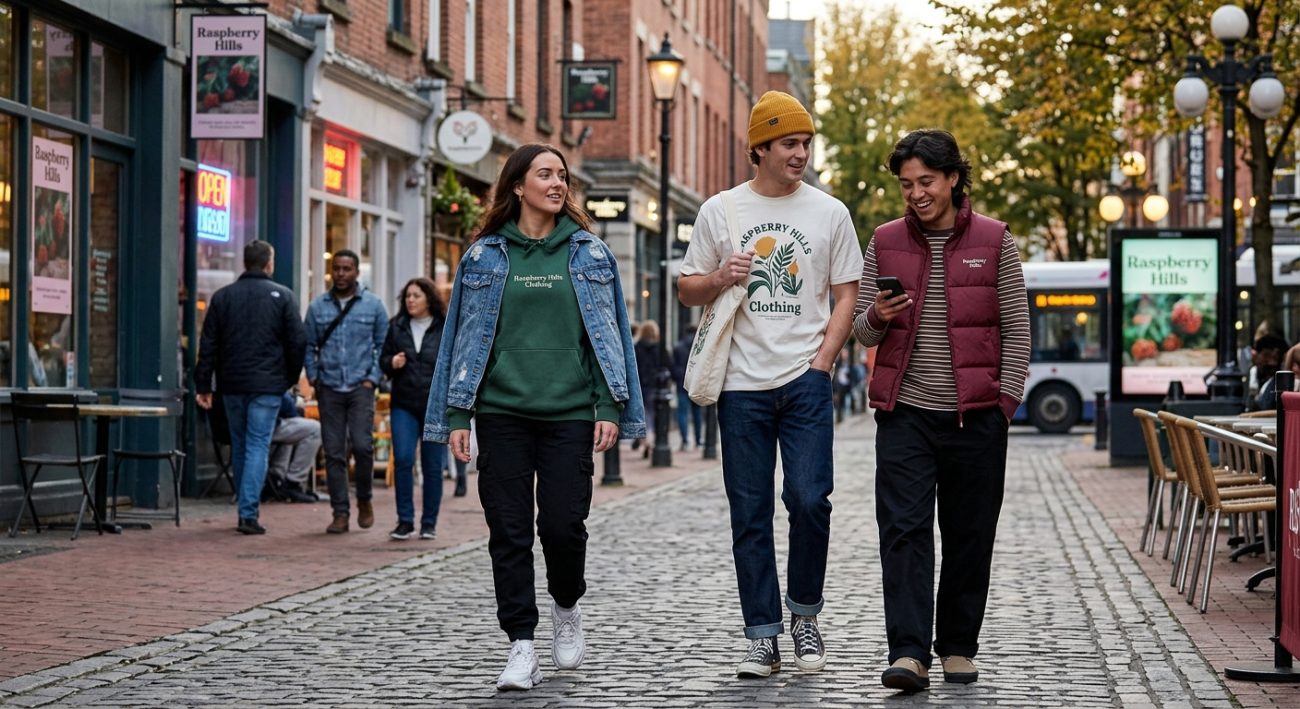


Well, what is Raspberry Hills anyway?
To be honest, I didn’t know a lot about Raspberry Hills until I was asked to do some research. There’s like, multiple places with this name? A bit of a hassle when attempting to search for something online. I’ve seen communities with this name in other states, and they are all those bedroom communities that popped up in the past few decades. Some were farmlands; some simply grew out from larger cities. It’s a small town feel, right? The type of place where 50% of the residents know each other since high school. However, what I noticed is that most of these places don’t really have their own websites, at least not official ones. It’s strange, in 2024 you would think everyone would have something, but no.
The Internet’s a Great Resource
It took me like 2 hrs to google “Raspberry Hills official website”, and I tell you, it was kind of frustrating. You’re receiving real estate listings among random Facebook pages, perhaps a real estate agent’s profile, at times content for totally different towns. The name is not enough – if you’re looking for your Raspberry Hills. There’s this state, there’s this county. So even then, the results can be confused. Some of the information retrieved is not even recent — old dead links to community pages. Probably the most surprising part was that I couldn’t really find out if most of them had a community website at all. Not all of them have an ‘RaspberryHills.gov’ or whatever. Rather, take the time to dig a little, and the juicy nuggets of information will be found in some county site or spread out across Facebook. It’s not very efficient, but there we are.
The County Website Hunt
This is where true patience comes in. The real official stuff is at the county level, if not at Raspberry Hills’ own. So I checked a couple of sites for the county, and the thing about it is that county sites are not necessarily highly designed. But they work. Zoning information along with permits, development proposals and contact information for supervisors. I had to spend an afternoon on one county’s website searching for the right page for information on a particular community, and it took longer than it should have. But, once inside, it’s legit. It’s government sources. You receive honest answers on what’s going on in terms of infrastructure, property stuff, and regulations. The downside? Not for common folk! It’s made for folks that know what they need.
Facebook Groups Are The Spaces Where People Truly Converse
Okay, now for the juicy version: if you want to know what’s going on in your community of Raspberry Hills, NOW, you visit Facebook. I haven’t seen a single community that did not have at least one group, and typically more. There are hundreds of members in some and thousands in some. They’re all managed by ‘real residents’, and that’s where conversations take place. One person asks for a good plumber; another person says that they have a cousin who is a good plumber. One neighbour writes a note about a pothole that needs to be fixed. Parents discuss schools: There is typically one person who is sort of the unofficial admin because they started the group, like 5 years ago, and have been around. I have seen these Facebook communities are much more active and up-to-date than anything official.
When It Comes to Real Estate Sites, There Is a Lot More That They Know Than You Think
Zillow, Redfin, and all of them—they actually have pretty detailed neighbourhood profiles now. I didn’t realise they collate so much info. If you’re trying to get a feel of a community, they’ll tell you demographic information and school ratings. Google Maps also allows you to zoom in and see what the area is like. There is also Nextdoor, which is exploding in this area. It’s a social network but with a small twist: GV Gallery Raspberry Hills Color Hoodie just for your neighbourhood or street. Individuals sharing about community issues, services to help, and warnings about package theft. While it’s not as popular as Facebook, it can be more helpful, as it’s hyperlocal. Again, this isn’t officially released by the government, but it is real data from real people there, so it’s pretty accurate. A good picture of what’s going on can be gleaned from Zillow and Nextdoor.
Simply Call the County. Seriously
The best way to get a straight answer on a specific something is to just call; I’m being honest with you. I approached several county offices and was really surprised at the wonderful people who were so helpful. The person who answered was familiar with the community I was interested in, provided me with relevant information, directed me to the correct department and responded to additional queries. Some of them appeared to be truly delighted in having someone ask about their community. Public records are also available in this manner. Property data, development permits, and zoning information. Some counties are modern and allow you to do this online now, which is nice, but the telephone still functions. Then, something – if you call and talk to the same person a few times, they remember you, and you actually do build a relationship.
Instagram, Nextdoor, and the Whole Thing. Instagram, Nextdoor, and the Whole Thing
But it’s not just on Facebook. Occasionally, Instagram accounts appear: a local shooter or someone living in the neighbourhood taking pictures of the neighbourhood. The hyper-local stuff I spoke of is getting on Nextdoor now. In some cases, there is a neighbourhood blogger or journalist reporting neighbourhood news. Weird is that info simply… exists somewhere else. You can’t find it all in one spot. The “official” information is on the county’s website; the day-to-day juicy tidbits are on Facebook; the neighbourhood issues are on Nextdoor; and someone who’s taking pictures of the fall foliage posts it on Instagram. It’s disjointed as anything, but it’s sort of what communities are like these days, right? The drawback is you need to take note of a number of platforms to be able to know what’s happening. The good news is that everyone is involved and discussing. It’s simply not centralised.
Why Someone Needs to Build a Real Website
Truthfully, this seems like a niche that’s not being filled. I would probably attempt to create a website if I were a resident of one of these communities and didn’t have a website. Now it’s not difficult to do anymore. You can create a WordPress site or use a site like Wix in a couple of hours. Prepare community history, government contact information, school information, community business directory, and calendar of events. Work with the community association/county to ensure that it remains up-to-date. I have witnessed little towns do this and become the “go-to” town for people moving in or simply just wanting to learn about things. The community benefits from increased visibility, users have a central point of contact, and new users do not have to do so much digging. This will likely help the local economy, as well as more people finding businesses and events.
What is the answer?
The conclusion: Some communities on the Raspberry Hills may have official websites; some don’t. If it doesn’t, that is quite normal for smaller establishments. The information exists; it’s just spread out. A county website for official information, a Facebook group for real-time community discussion, Nextdoor for neighbourhood concerns, real estate websites for demographics, and the county phone number for a specific issue. I understand it’s not all in one place, but I find it very annoying. However, if you know where to search, you will be able to find out things. If you’re thinking “this would be so much easier with a dedicated website,” perhaps it is your next project.